Show HN: Science for Kids
science.ocaho.com20 points by rahimnathwani 8 hours ago
20 points by rahimnathwani 8 hours ago
There’s a really good kids’ science magazine called Oyla, but it’s aimed at kids 12+
I subscribed a couple of years ago thinking that it would be fine for my son (then 8yo, but an advanced reader) but, even now (10yo), the articles are too dense for him and don’t hold his interest.
Last year, the same company launched ‘Oyla Junior’ aimed at younger kids ~8yo. But I read a couple of the articles and I think they’re too oversimplified.
I wanted something in between, but didn’t find anything suitable online.
So I used AI to create something, and did a bunch of iterations to tune the sentence length, the flow of the articles, how much info is introduced in each paragraph etc.
I still want to make it better, but it’s already good enough for my son to read.
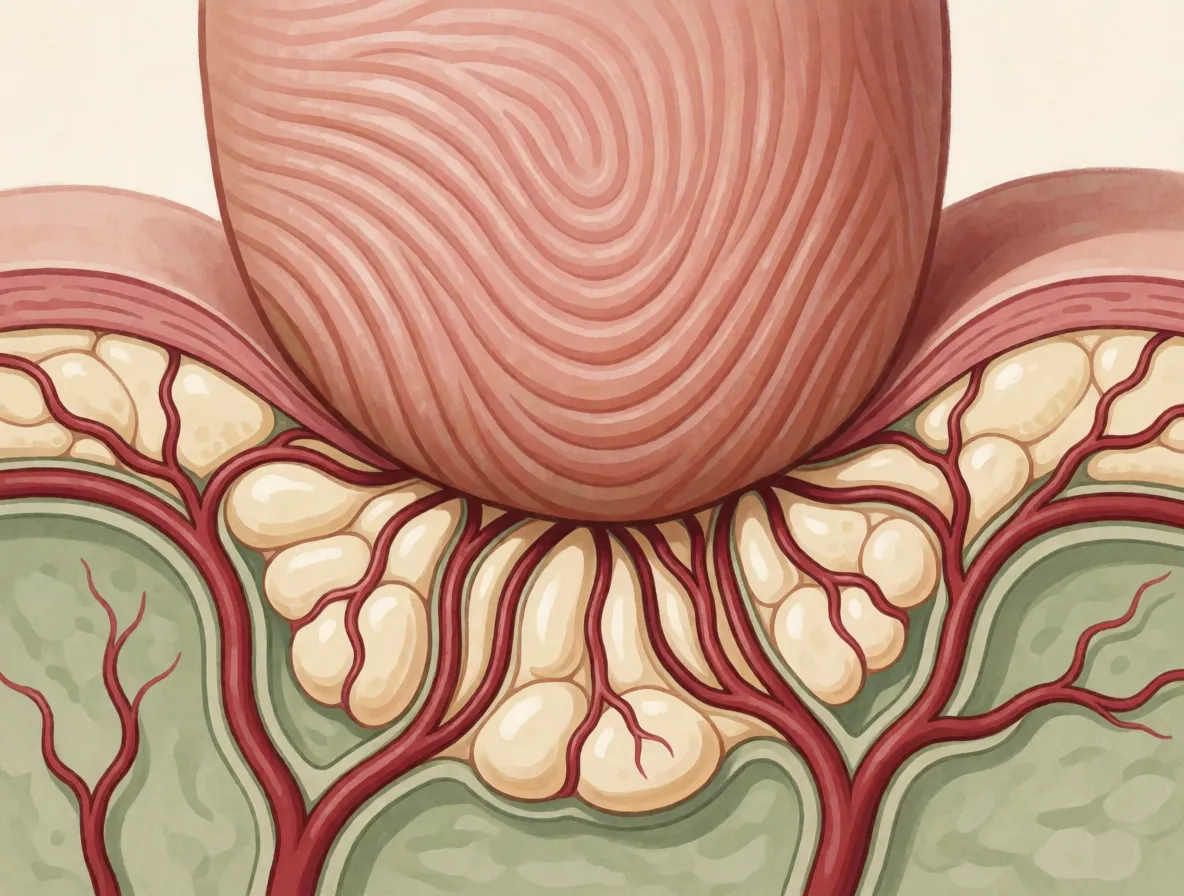
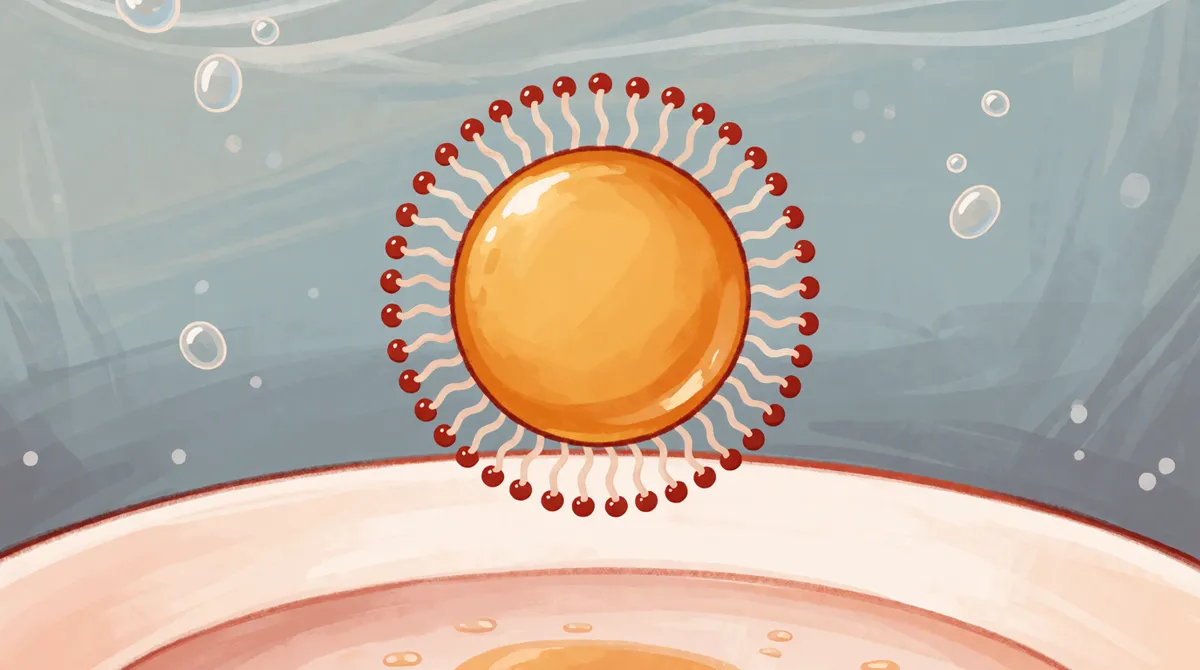
If you like this you might like this other thing I made with AI: https://philosophy.ocaho.com/ (Of course, if you hate this, you will hate that even more.) I skimmed through a few articles. These look really high quality and engaging. Makes me feel like a kid reading some of the cool STEM Encyclopedia-type books like from DK. Nice, you cover very interesting and fun questions! I'd love to know the answers to all of these once my kid (baby now) is old enough to ask about it. I scanned a few articles and they seem bit too long for me, I'd expect it to be more concise (I hope kids have a better attention span than me!). Btw, is the glove with six fingers for the article on six sides of an ice flake an intentional put? Love the cards images, just a curiosity how do you create that images? I'm interested to learn from the prompts you used to generate the images and texts. Perhaps a skill you could share to generate such content? I was prepared to be critical, expecting a slop-recital of facts with no explanation of how we came to know them (the sort of brain-dead thinking that would conflate knowing player stats with playing sports) but was pleasantly surprised. The couple I looked at had engaging explanations of the process of discovery (including, in the sunflower case, the missteps). Nice! How does your friend hide their dot in the GPS experiment? What precision should the distance measurements be to find this dot? Ask your LLM to review the experiments for workability. Can we turn this into a printable book? There's a print-friendly stylesheet, so you can easily print each article. You could probably automated this using the RSS feed. But I'm not sure I'd want a printable book. The articles are each standalone so you'd need to figure out some logical sequence. Plus once you print it you can't make improvements to existing articles. Around the time I turned 11 or so, my dad bought be a "how stuff works" book; definitely written to a "newspaper" reading level. It was paperback, not a lot of pictures, and generally held my interest. I think it targeted older teenagers or adults. What surprised me was halfway through there was a section on how hash is made! Disappointing to see AI used in what otherwise seems to be a well-intentioned project. As an adult I think some of these graphics are confusing at best and I question your familiarity with the subject matters to actually check whether or not these are explained both in a consistent and correct manner. I'm close to satisfied with the article text. I'm still experimenting with the best ways to generate the images. I'm very happy with some of them, but unhappy with others. I need to figure out how to create an effective review loop. As you say, I'm not familiar enough with all of the subjects. Like I can't tell whether a diagram of a hearts has all the tubes in the right place. I think AI is ideally suited to something like this, and I should soon be able to get to a point where I can generate an article, without human review, an article that's as good as that in a median kids' print magazine. If I reach that point, the next goal would be to match or exceed the quality of the median article in Oyla (https://oyla.us/) or Aquila (https://aquila.co.uk/). Two examples: * https://science.ocaho.com/_astro/mechanism.DBsc7AOI_2rDlPs.w... What? * https://science.ocaho.com/_astro/mechanism.COXZnljw_1ax0Vi.w... The tails should be inside the oil drop.
rahimnathwani - 21 minutes ago
retrochameleon - 38 minutes ago
maiti_ma - 3 hours ago
marcimastro981 - 40 minutes ago
docheinestages - 4 hours ago
MarkusQ - 4 hours ago
lern_too_spel - an hour ago
neduma - 4 hours ago
rahimnathwani - 43 minutes ago
gwbas1c - an hour ago
totallygeeky - 3 hours ago
rahimnathwani - 31 minutes ago
gus_massa - an hour ago